Why We Support Bill Shireman’s Call on AB 2253
Chemical recycling and mass-balance accounting belong in SB 54. The fix for a weak recycled-content claim is verification, not prohibition.
Read more →Loopway connects people to the organizations, programs, and local projects that keep reusable materials out of landfills, across all 50 U.S. states, with a growing directory of circular-economy projects worldwide.
Find Resources in Your State Browse CategoriesProject Drawdown, “The World’s Leading Guide to Science-Based Climate Solutions,” ranks materials and waste management among the highest-impact, most cost-effective ways to cut greenhouse gases — often while saving money. Figures below are estimated global impact in gigatons of CO2-equivalent avoided per year (Gt CO2-eq/yr).
2.50–2.70 Gt CO2-eq/yr
1.90–2.10 Gt CO2-eq/yr — saves $100/ton
0.98–1.59 Gt CO2-eq/yr
0.78–1.20 Gt CO2-eq/yr
The nation's leading organics recycler, with CEO Todd Mathes and leadership based right here in Dallas and 130+ facilities and partners nationwide. Denali helps Texas cities hit their landfill diversion goals by turning food waste, used cooking oil and biosolids into animal feed, compost, natural fertilizer and clean biofuel.
Nevada, Texas-based Mainefactured took the Grand Prize at the 2026 Design & Build Xperience Competition, earning Grand Champion design-and-build recognition at The Environmental Xperience at EarthX — the same event, same day, that hosts Loopway's own Earth Day Award.
Mainefactured builds high-end, NOAH-certified tiny homes engineered for durability and long-term performance.
Their winning entry, Casa Francesca, is an A-frame luxury tiny home with panoramic glass and a rooftop deck — recognized for pairing sustainable, factory-built construction with high-design livability.
Visit mainefactured.com Watch the Video →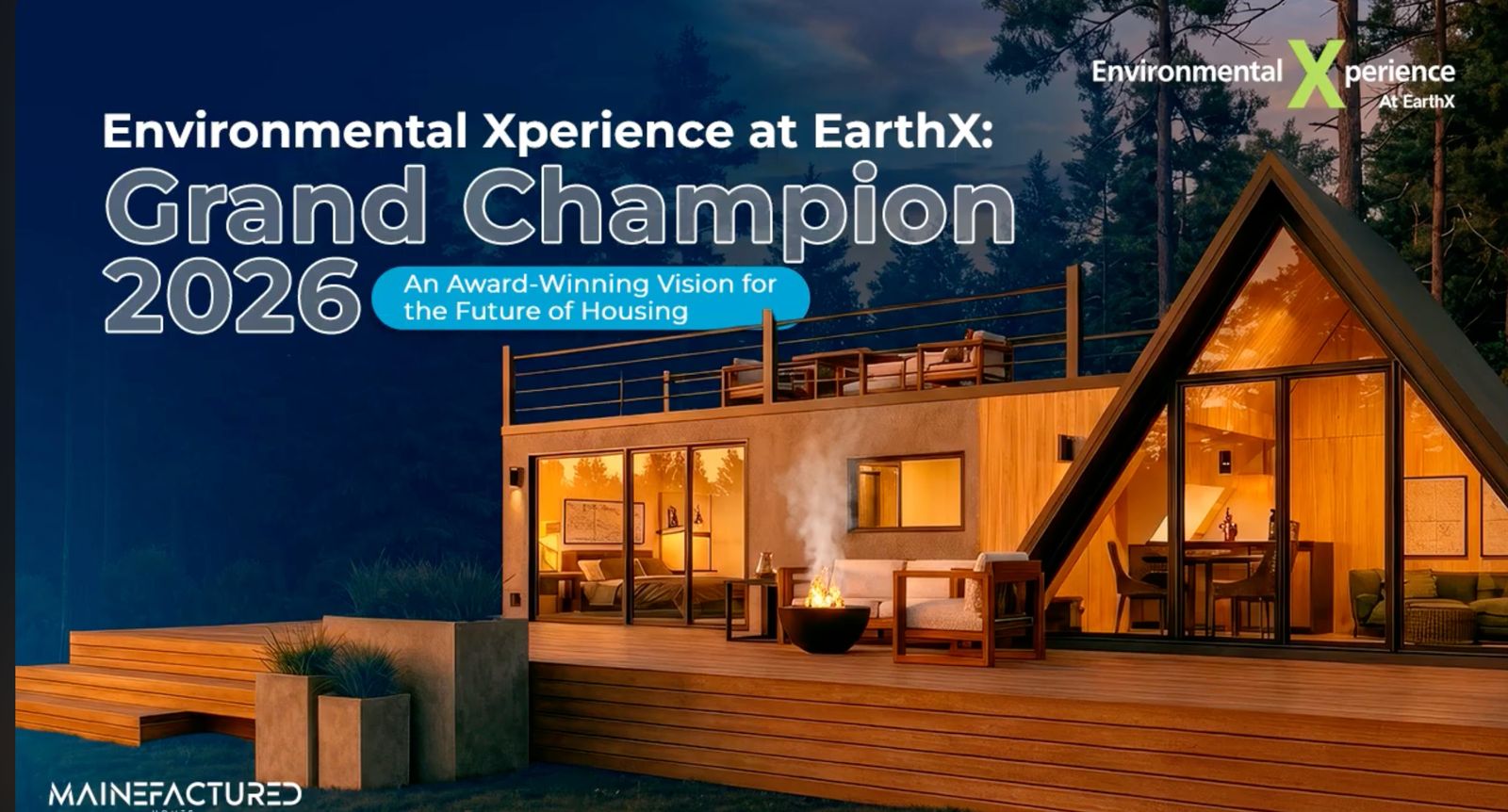
Every month, Loopway spotlights one organization or project making a measurable dent in landfill-bound waste. Know a project worth featuring? Nominate it.
The Alluvium Project is a cross-border environmental and social impact initiative building a circular economy ecosystem that intercepts plastic waste before it reaches rivers and oceans — partnering with RiverRecycle, Rotary clubs on both sides of the border, Monarchs Without Borders, and the 7 Seas Foundation.
Together they turn recovered waste into economic and environmental value.
Visit alluviumproject.org
EarthX announced the 50 Nominees for its 2026 Brand Hero Awards, which recognize companies using market leadership, supply chain influence, and innovation to advance a more circular and sustainable economy.
Read More
Every state has an official recycling agency plus, in many cases, a statewide reuse or circular-economy nonprofit, each with its own dedicated page. We link to all of it.
Go to State Resources →From e-waste to mattresses to construction debris — find out where a specific item can go besides the trash can, with a dedicated guide for each of 28+ categories.
Browse Categories →Our Project of the Month, annual Earth Day Award, and features like Mainefactured's EarthX win highlight the people and organizations pushing the circular economy forward.
See the Award →A circular economy keeps materials in use — through reuse, repair, remanufacturing, and recycling — instead of extracting new resources and sending the old ones to a landfill.
Loopway exists to make the "middle step" (finding where something actually goes) as easy as possible.
Buy less, buy durable, borrow before you buy.
Donate, resell, or repurpose items still in good condition.
Fix it instead of replacing it — repair cafés and right-to-repair resources.
When nothing else works, recycle materials properly so they re-enter the supply chain.
Chemical recycling and mass-balance accounting belong in SB 54. The fix for a weak recycled-content claim is verification, not prohibition.
Read more →